 Muddy York
The Last Salmon of Autumn: What October Teaches Us

There’s nothing like standing in a Southern Ontario river in October.
The mornings are colder, the leaves on the trees are turning a beautiful orange-ish brown, and the excitement of September’s first salmon runs has started to settle. The crowds that packed the riverbanks only a few weeks ago are beginning to thin out. The fish that were once fresh from Lake Ontario are showing their age, and the river itself seems to be slowing down.
For me, October has always been one of the most interesting times to fly fish. Not necessarily because it’s the most productive, but because it’s when the river starts demanding a little more patience.
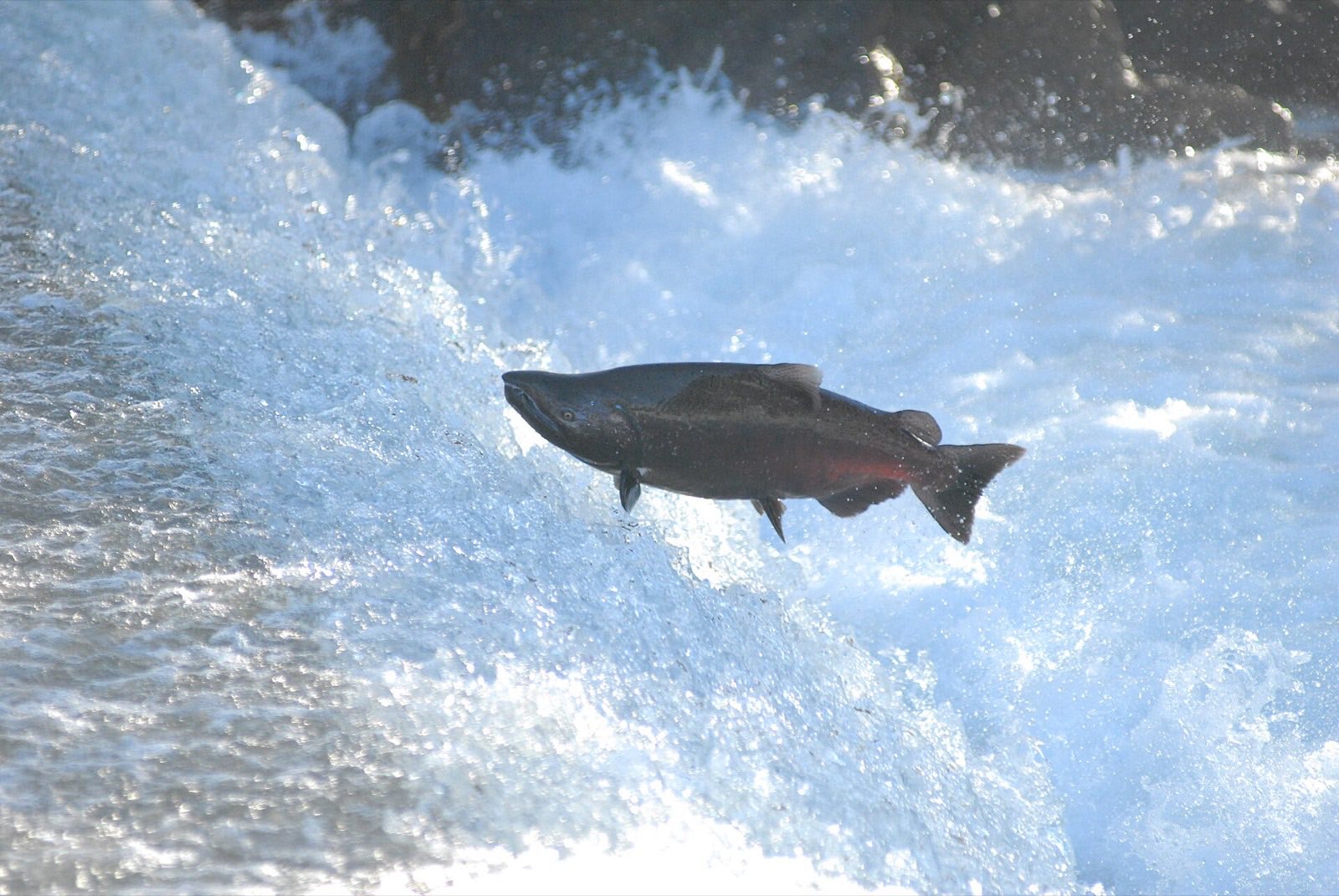
By this point in the season, the easy opportunities are often behind us. The salmon have seen countless flies, enduring changing water conditions, and travelled kilometres upstream to complete their spawning journey. Some are still moving, others are holding in deeper pools, and many are focused entirely on spawning.
Catching one is still possible, but October fishing requires a different strategy.
#The River Tells You Everything#
If there’s one lesson I’ve learned from fishing Souther Ontario’s tributaries, it’s that the weather forecast only tells half the story.
Rain is one of the biggest factors influencing salmon movement. A good autumn rainfall can raise river levels and encourage fish waiting near river mouths to push upstream. Cooler temperatures help too.
But not every rainfall produces a great fishing trip.
Too much rain can turn a river into a muddy, fast-moving nightmare. Too little, and the fish may remain concentrated in shallow pools, reluctant to move.
This is why understanding river conditions is so important.
Before heading out, I want to know three things: Has the river risen recently? Is the water temperature dropping? And is there enough visibility to fish effectively?
Sometimes the best opportunity comes after a river has peaked and begun to settle. The water is still carrying some colour, but the current is becoming more manageable.
Those are the mornings worth getting out of bed for.
#The Fish Have Changed, So Should Your Approach#
One of the biggest misconceptions about salmon fishing is that seeing fish means you’re going to catch fish.
Anyone who’s spent an afternoon casting into a pool full of Chinook knows that’s not true.
Unlike trout, salmon generally stop actively feeding once they enter freshwater to spawn. They may still strike out of aggression or instinct, but convincing one to take a fly can be difficult.
By October, many salmon are also physically deteriorating as they approach the end of their life cycle.
For fly fishermen, this means being selective.
I prefer looking for fish holding in deeper runs or softer current rather than targeting salmon actively spawning in shallow grave beds. Current seams, the tail end of a deeper pool, and slower water beside a strong run are all worth examining.
When it comes to flies, I keep things relatively simple.
Egg patterns, stonefly nymphs and small streamers all have their place. A Whoolly Bugger can be useful when fish are willing to react to movement, while smaller patterns may be worth trying in clear water.
But presentation matters more than the pattern itself.
Getting a natural drift through the right section of water is often more important than changing flies every 10 minutes.
And if the fish aren’t responding, sometimes the smartest decision is to move on.
#Knowing When Not to Cast#
October also teaches us something that doesn’t get discussed enough: just because you can see salmon doesn’t mean you should try to catch it.
By the late season, many fish are exhausted and actively spawning.
Repeatedly casting at these fish, particularly when they’re sitting on shallow gravel beds, can cause unnecessary stress and disrupt spawning.
It’s also important to distinguish between a legitimate take and snagging or flossing a fish. Dragging a hook through a group of salmon until one gets caught isn’t the kind of fly fishing I want to practise or encourage.
The challenge should be getting a fish to take your fly, not simply making contact with one.
This is especially important in Southern Ontario, where accessible rivers can attract large numbers of anglers during the fall run.
Fishing responsibly also means knowing the regulations. Many tributaries have specific fall closures, extended seasons, and protected spawning areas. Understanding the regulations can be difficult, but Muddy York Fishing makes it simple with our Regulations By Zone page.
Taking a few minutes to check these regulations before leaving for your trip can save you an expensive mistake and help protect the fishery.
#There’s Always Another Season Coming#
One of my favourite things about October is that while the salmon run is winding down, another opportunity is beginning.
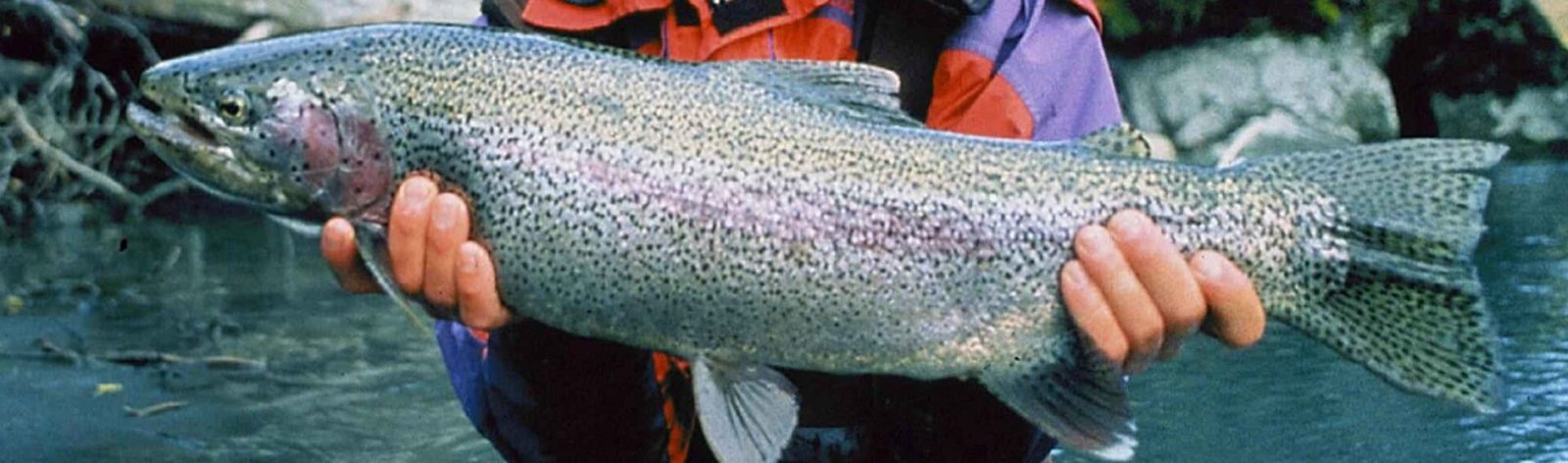
Steelhead.
As the water cools and autumn rainfall increases river flows, migratory rainbow trout begin entering many Southern Ontario tributaries.
For fly fishermen, this transition is something to look forward to.
Steelhead bring a different challenge. They’re powerful, unpredictable, and often more willing to take a properly presented fly than spawning Chinook.
The same lessons learned during salmon season carry directly into steelhead fishing.
In many ways, October is the bridge between two of the most exciting fishing seasons Ontario has to offer.
#One Last Cast#
Every autumn, there’s a day when I realize the salmon season is coming to an end.
As much as I love this time of year, there’s something special about witnessing the end of that journey.
These fish have spent years in Lake Ontario before returning to the rivers where their lives began. Their migration is one of the most remarkable natural events we get to experience in Southern Ontario. And while we spend plenty of time thinking about how to catch them, sometimes it’s worth remembering why they’re here in the first place.
October reminds me that fishing isn’t always about the number of fish landed or the size of the one that got away.
Sometimes it’s about understanding the river a little better than you did last year.
And knowing when to call it a day.
At Muddy York Fishing, we believe better fly fishing starts with understanding the water. Explore river conditions, fishing regulations, and interact with a community of your peers before your next trip.
Know which rivers are fishing, every morning
Live conditions, official Ontario season status and fly picks for 30+ Southern Ontario rivers.
Start your free 7-day trial