 Muddy York
 Where to Find Brown Trout in Ontario
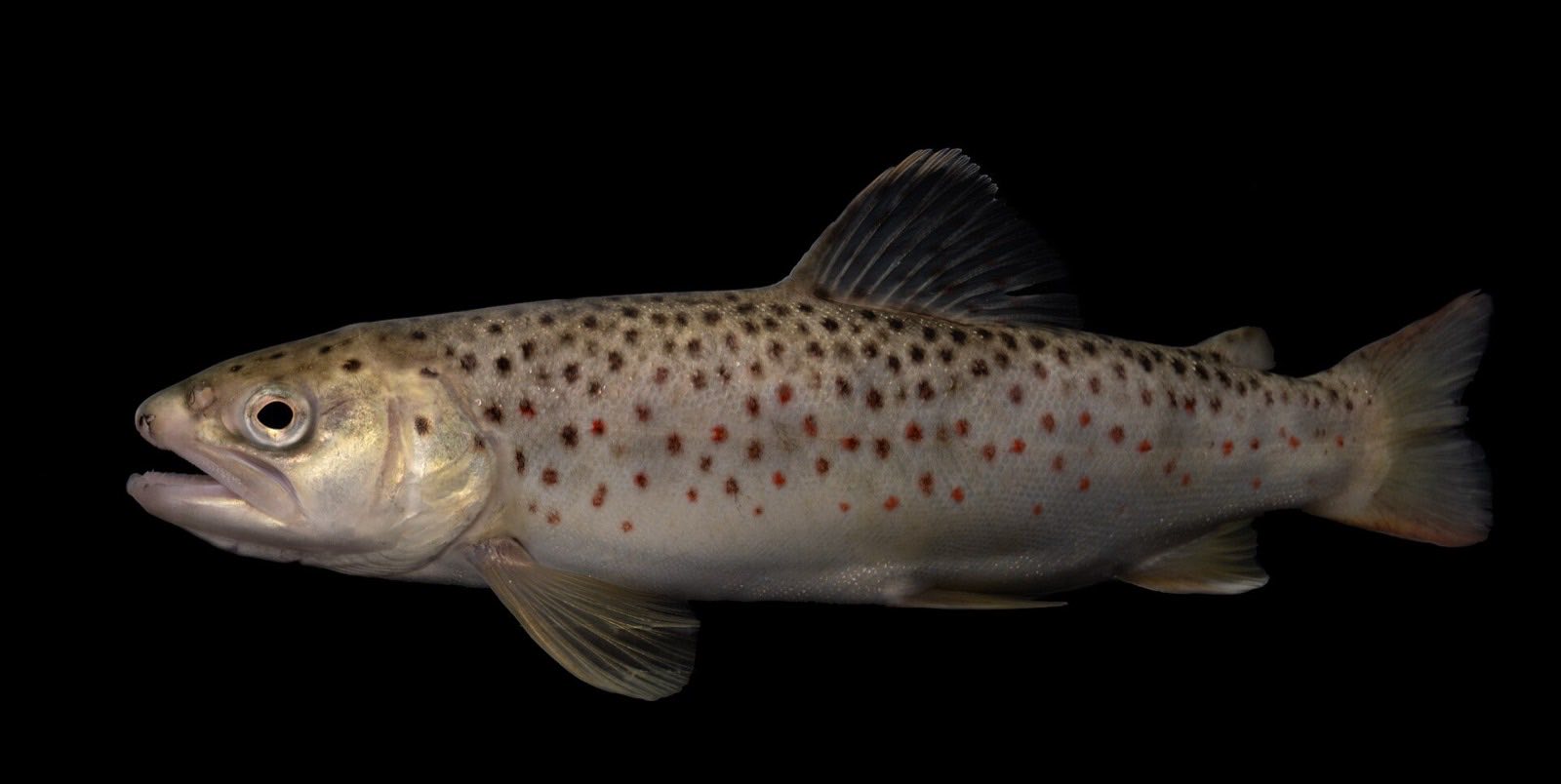
Brown trout are the fish many Ontario fly anglers chase longest and catch least. They are wary, they feed hardest when most people have gone home, and the big ones live in water that is easy to walk past. This guide covers the kinds of water that hold them, the rivers that are known for them, and how the year shapes where they will be.
A European fish that made Ontario home
Brown trout are not native to North America. According to the province, they were introduced into Ontario streams from Europe in 1913 and are now found throughout the Great Lakes, their tributaries and streams across Southern Ontario. They tolerate slightly warmer water than brook trout, which is why they hold on in rivers that run through farmland and towns.
There are two kinds you will meet:
- River resident browns that spend their lives in one stretch of stream.
- Great Lakes browns that grow large in Lake Ontario or Georgian Bay and run up the tributaries in the fall.
The Ontario record is 15.6 kilograms. Most river browns are 25 to 45 centimetres.
Five kinds of water that hold brown trout
1. Undercut banks and wood
Brown trout want a roof over their heads. Look for banks where the current has cut underneath, fallen trees, root wads and log jams. A good brown can live under a single sunken tree for years.
2. Tailwaters below bottom draw dams
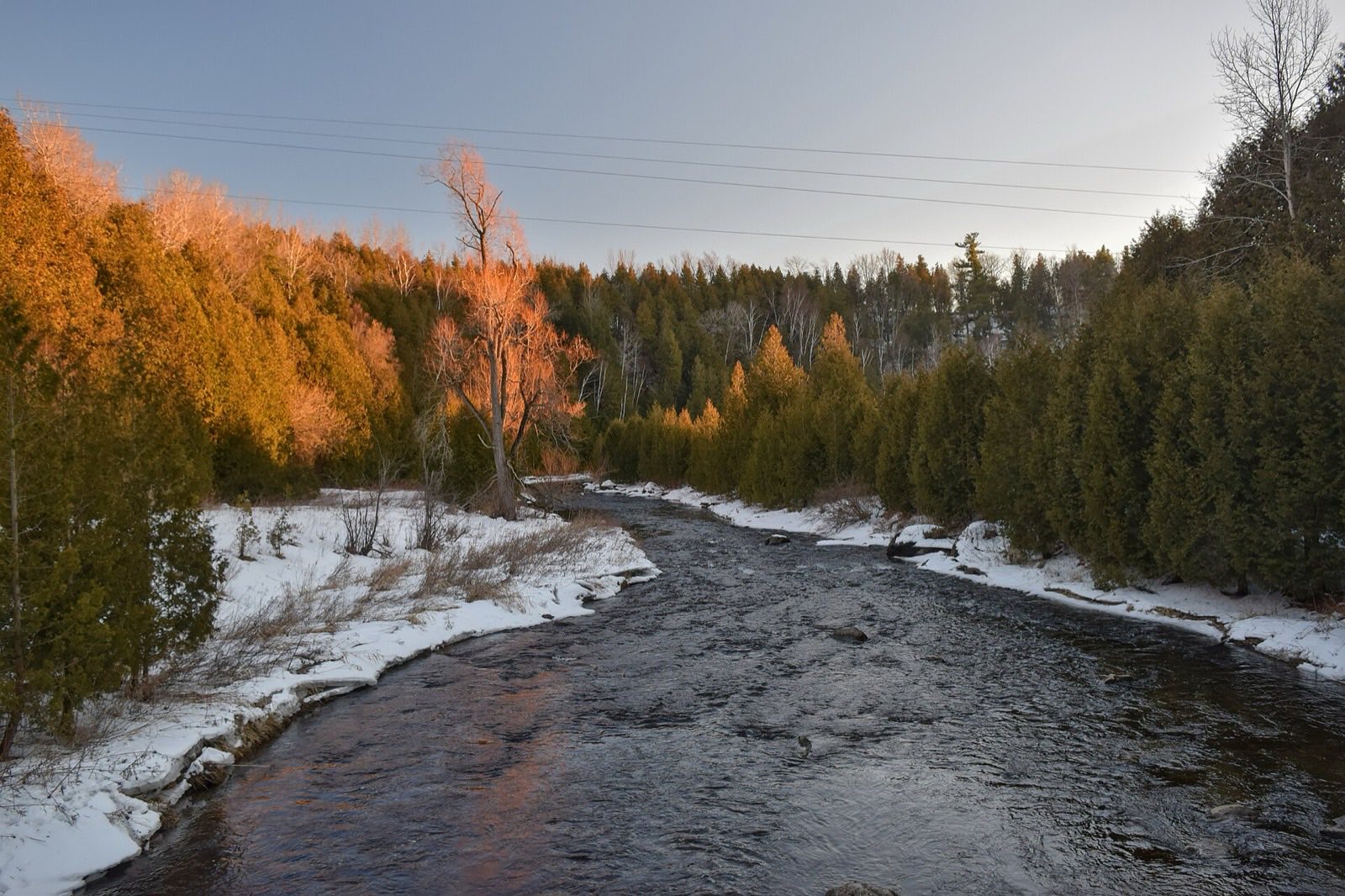
Dams that release cold water from the bottom of a reservoir create a long stretch of cool, stable, insect rich water downstream. The Grand River below Shand Dam is Ontario's best known example, with special regulations on the Fergus, Elora and West Montrose stretches. The Conestogo River below its dam works the same way.
3. Cold, spring fed middle reaches
Groundwater keeps some reaches cool through July and August. The Credit River from Norval to Glen Williams and the upper Credit at the Forks hold resident browns for this reason.
4. The heads and tails of pools
Fish sit where food arrives and they can rest. That is usually the seam at the head of a pool, where fast water meets slow, and the tail, where the pool shallows before the next riffle. In low light, big browns slide up into the shallow tails to feed.
5. Piers and river mouths in the fall
The Great Lakes browns gather off river mouths and harbour walls from September on. The province notes that you will find them in shallower water than rainbow trout and Chinook salmon and suggests small spinners, plugs and baits under floats once they enter the rivers.
Muddy York Fishing ranks Ontario trout rivers every morning on water temperature, flow and season status, and shows the stretches that hold browns. Free for 7 days.
When to fish for brown trout
Spring (fourth Saturday in April to May). The trout season opens in Zones 16 and 17 on the fourth Saturday in April. Water is high and cold, and browns are hungry. Streamers and nymphs fished slow and deep work well. See our trout opener guide.
Late spring and early summer. This is hatch season on the Grand tailwater and the Credit. Evenings with mayflies and caddis can bring big browns to the surface.
Mid summer. Water warms. Fish early and late, and stop when the water passes about 20 °C. Trout caught in warm water struggle to recover. Many anglers carry a stream thermometer for this reason.
Fall. The regular trout season in Zones 16 and 17 closes on September 30, but many lower tributary stretches stay open longer for brown trout, rainbow trout and salmon. This is when the lake run browns arrive. Check the exact stretch before you fish; our Zone 16 and Zone 17 pages list them.
How to fish for them
Brown trout, the province says, feed most aggressively at night. You do not need to fish in the dark, but the first and last hours of light are when the biggest fish move. A few habits help:
- Move slowly and stay low. A brown that sees you will not eat.
- Fish upstream with nymphs and dry flies, so you come up behind the fish.
- Swing or strip streamers past cover on overcast days and in stained water after rain.
- Rest a spot after you spook a fish, and come back later.
On spinning gear, small spinners and minnow imitating lures cast tight to cover and retrieved across the current are a proven Ontario method.
Limits and keeping fish
In Zones 16 and 17 the brown trout limit is S-5 and C-2, within a combined trout and salmon limit of five (sport licence) or two (conservation licence). Special stretches, like parts of the Grand tailwater, have their own rules, including artificial lures only and catch and release sections. Always check the official regulations for the exact water.
Wild browns that grow big in small rivers are slow to replace. Many anglers release the large ones, handle them with wet hands and keep them in the water for the photo.
Quick answers
Are there brown trout near Toronto? Yes. The Credit River holds resident browns, and the Humber, Credit and other Lake Ontario tributaries get lake run browns in the fall.
What is the best river for brown trout in Ontario? The Grand River tailwater below Shand Dam is the best known, with a reputation that draws anglers from across North America.
When can I fish for brown trout? In most of Zones 16 and 17, from the fourth Saturday in April to September 30, with longer seasons on some tributary stretches. Lake Ontario itself (Zone 20) is open all year.
Find today's best brown trout water in the Muddy York Fishing app, or keep reading with our brown trout fishing guide.
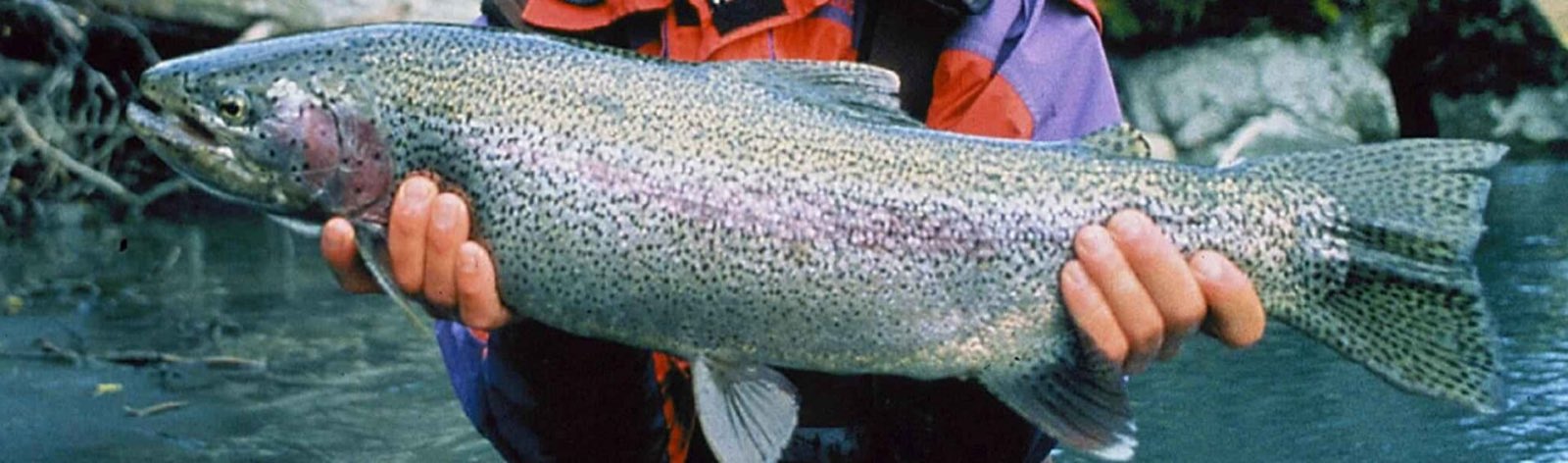
Cover photo: brown trout (Salmo trutta), U.S. Fish and Wildlife Service, via Wikimedia Commons.jpg). Public domain.
Know which rivers are fishing, every morning
Live conditions, official Ontario season status and fly picks for 30+ Southern Ontario rivers.
Start your free 7-day trial