 Muddy York
 Brook Trout in Ontario's Small Creeks
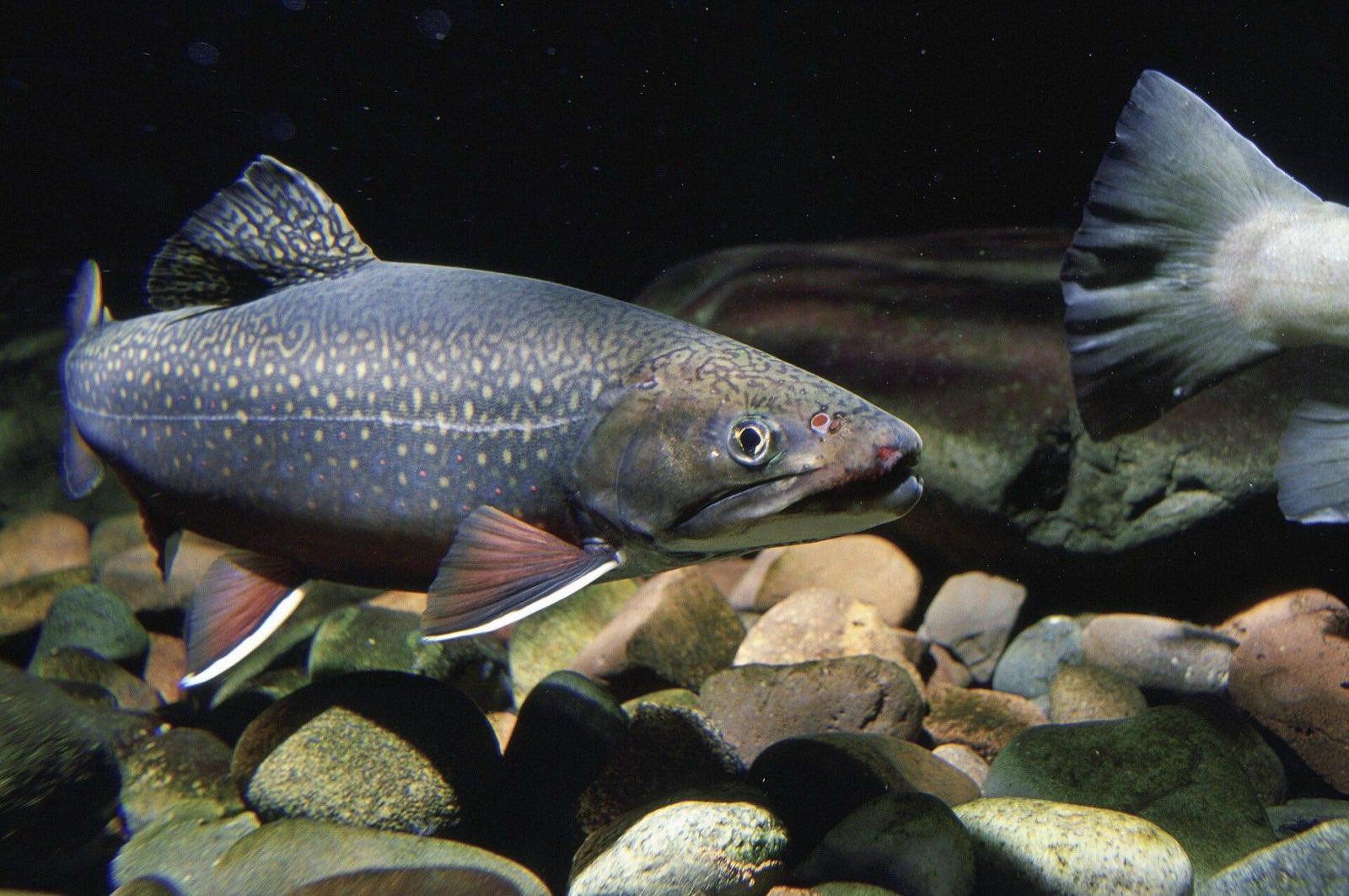
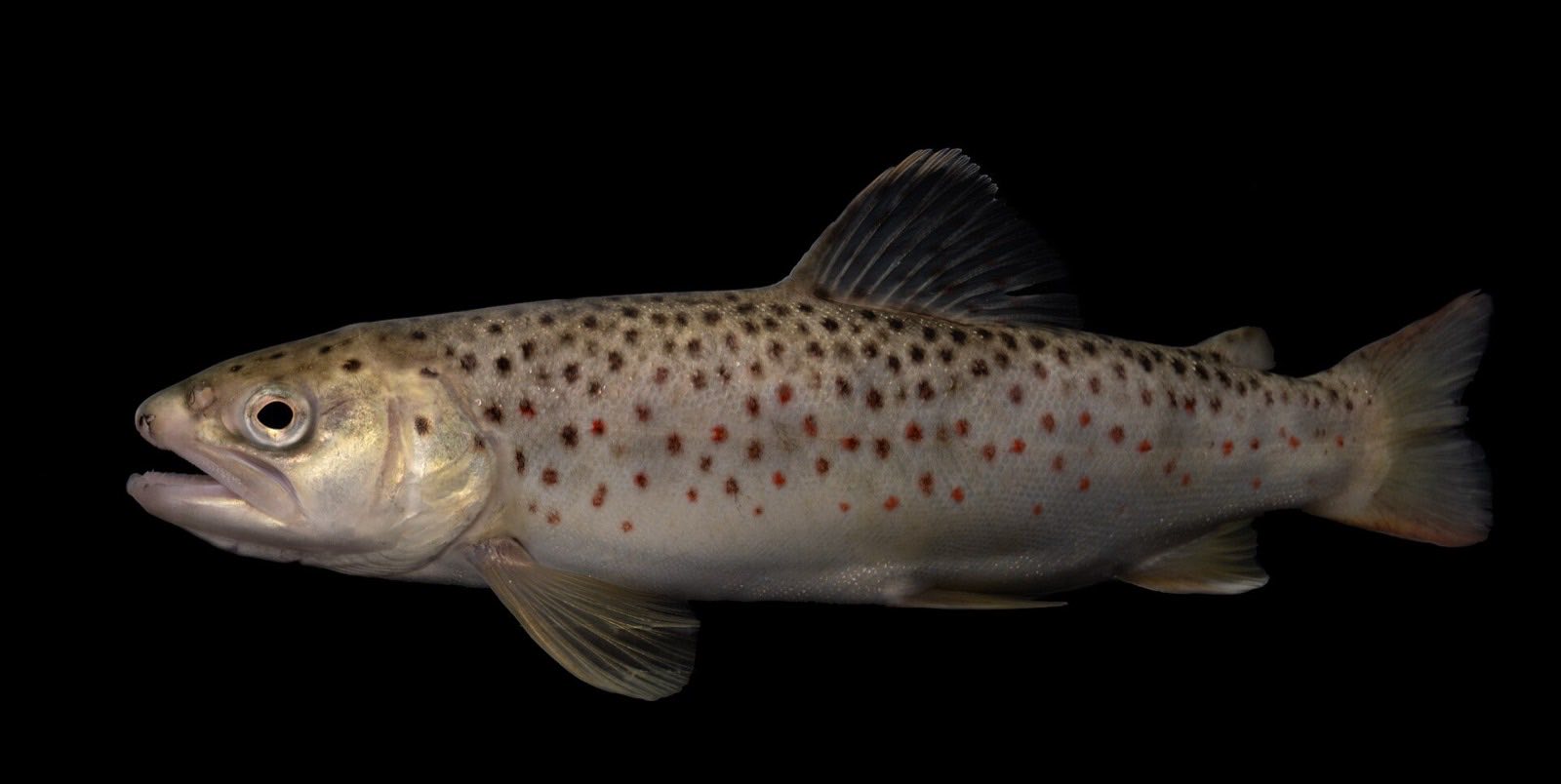
Some of the best trout fishing in Southern Ontario happens in water you can step across. Small, cold creeks running through cedar swamps and farm valleys hold wild brook trout, Ontario's native char, with colours that look painted on. The fish are rarely big. The places they live are worth protecting. Here is how to find them and fish them well.
Ontario's native trout
Brook trout are native to Ontario. The province describes their range as reaching from the small brooks of southern Ontario farmland to the larger rivers, ponds and lakes of the North. In the south, most are 15 to 25 centimetres. A 30 centimetre creek brookie is a fish to remember.
What they need is simple and increasingly rare: a year round supply of cold, clear water and plenty of cover. In practice that means groundwater. Springs and seeps keep a creek cold in August and keep it from freezing solid in February.
Reading a small creek
Look for cold water first
On a hot day, put your hand in. Brook trout water feels cold even in midsummer. Signs of groundwater include watercress, cedar swamps along the banks, and patches where the creek stays open in winter. A stream thermometer takes the guessing out: brook trout do best in water below about 20 °C.
Then look for cover
The province's own advice is to look near overhanging trees, submerged wood and rocky points. In a small creek that means:
- Undercut banks on the outside of bends.
- Log jams and root wads.
- Plunge pools below small drops, beaver dams and culverts.
- Deeper slots where the current runs along a bank.
In summer, river brook trout hold in cold pools below falls and rapids. In spring and fall, they spread out through the stream.
Where to start in Southern Ontario
We do not publish private spots, and you should not either. Small creek populations cannot take heavy pressure. Public land is the right place to start:
- Conservation areas and provincial parks. Forks of the Credit Provincial Park sits on the cold upper Credit. Conservation authorities such as Credit Valley Conservation, the Toronto and Region Conservation Authority and the Ganaraska Region Conservation Authority publish maps of their properties and trails.
- The headwaters of larger rivers. The upper reaches of the Nottawasaga system, including the Mad, Boyne and Pine rivers, and the Boyne River at Primrose are cold, spring fed water.
- The Niagara Escarpment and Oak Ridges Moraine. Groundwater from these landforms feeds dozens of small cold streams.
Remember that most creek banks in Southern Ontario run through private land. Ask before you cross it, and respect posted signs.
Not sure which creeks near you are cold enough? The Muddy York Fishing app scouts the rivers and creeks around you and scores them on modeled water temperature and flow. Free for 7 days.
Gear for small water
Keep it light and short. A 6 to 7 foot rod is plenty, whether it is a 2 to 4 weight fly rod or an ultralight spinning rod with 4 to 6 pound line. The province suggests a light action 7 foot rod with 4 to 8 pound test.
Good choices:
- Flies: small beadhead nymphs, Elk Hair Caddis, Adams and small streamers.
- Lures: the smallest inline spinners and spoons. Pinch the barbs.
- Bait: worms work, especially in high water, but swallowed hooks are hard on small wild fish. If you release fish, flies and single barbless hooks are kinder.
How to approach the fish
In a small creek the fish see you before you see them.
- Walk upstream and fish upstream. Trout face into the current.
- Stay low and back from the bank. Kneel if you need to.
- Make the first cast count. In small pools you often get one shot.
- Keep moving. If a pool does not produce in a few casts, the next one might.
Season and limits
In Zones 16 and 17 brook trout season runs from the fourth Saturday in April to September 30. The limit is S-5 and C-2 in Zone 16 and S-2 and C-1 in Zone 17, and some waters have their own exceptions. Check the Zone 16 or Zone 17 summary and the official regulations before you go.
The fall closing matters. Brook trout spawn in autumn on gravel where groundwater comes up through the streambed. Stay off the gravel in October and November, even when you are only walking.
Protecting creek brook trout
Small creek trout face warming water, silt and lost streamside trees. You can help:
- Keep fish wet and release them quickly.
- Keep fewer fish than the limit allows, or none. A small creek may hold only a few dozen adults.
- Clean your boots between watersheds to avoid moving invasive species.
- Support local stream work. Conservation authorities and groups such as the Ontario Federation of Anglers and Hunters run planting and habitat projects every year.
Quick answers
Where can I find brook trout in Southern Ontario? In small, cold, spring fed creeks, often in the headwaters of larger rivers like the Credit and Nottawasaga, and in conservation areas on the Niagara Escarpment and Oak Ridges Moraine.
When is brook trout season in Ontario? In Zones 16 and 17, from the fourth Saturday in April to September 30.
What is the best bait for brook trout? Worms are the classic bait. Small spinners, beadhead nymphs and dry flies all work, and are easier on fish you plan to release.
To see which streams near you are cold enough today, open the Muddy York Fishing app. For more river by river detail, browse our Ontario river guides.
Cover photo: brook trout in a native stream, by Eric Engbretson, U.S. Fish and Wildlife Service, via Wikimedia Commons. Public domain.
Know which rivers are fishing, every morning
Live conditions, official Ontario season status and fly picks for 30+ Southern Ontario rivers.
Start your free 7-day trial